OUR CLIMATE ACTION
Our climate targets
Net zero carbon emissions
from operations by 2050
5% SAF use
for SIA and Scoot's total fuel requirements by 2030
Industry carbon neutral growth
capped at 85% of 2019 emissions from 2024 annually

Investments in new-generation aircraft
Operating a younger, more fuel-efficient fleet is one of the more effective ways to reduce emissions at source. Currently, more than 70% of the Group’s operating fleet comprise new-generation aircraft. By 2030, new-generation aircraft are expected to make up 90% of the Group’s fleet.

Adoption of Sustainable Aviation Fuels (SAF)
SAF has the potential to reduce carbon emissions by up to 80% on a life-cycle basis compared to conventional jet fuel, and is a critical decarbonisation lever for the aviation sector. The Group actively explores offtake opportunities with various SAF suppliers to diversify sources and strengthen supply chain resilience. We also work closely with eco-system partners to accelerate the development and deployment of SAF.

Improvements in operational efficiencies
We continuously enhance operational efficiencies across our engineering, flight, and ground operations to improve fuel productivity and energy savings. This is achieved through the use of digital insights, advanced technologies and strategic partnerships.

Utilisation of high-integrity carbon offsets for residual emissions
We support the Carbon Offsetting and Reduction Scheme for International Aviation (CORSIA), to offset residual carbon emissions that cannot yet be eliminated through current technological or operational improvements. Since 2019, we have adhered to CORSIA’s Monitoring, Reporting, and Verification (MRV) requirements.
CARBON OFFSETTING
The SIA Group Voluntary Carbon Offset Programme
Through this programme, individual travellers, and corporate clients can learn more about the carbon footprint associated with their air travel, and make a voluntary contribution towards verified carbon offset projects that support both the environment and local communities.

For individuals
Passengers can purchase independently verified carbon offsets.

For businesses
Singapore Airlines Highflyer members can support verified carbon projects under this programme.
RESOURCE CONSERVATION
Improving energy and water usage
At Singapore Airlines, we recognise the need to conserve the planet’s finite resources. We have implemented various initiatives to reduce energy and water consumption, manage waste effectively, and promote sustainability through the 5R principles – Refuse, Reduce, Reuse, Repurpose, and Recycle.

Adoption of renewable energy
Since June 2023, all SIA-owned buildings in Singapore have been fitted with rooftop solar panels. These generate clean renewable energy to power our onsite operations in Singapore.

Infrastructure and building upgrades
We are progressively upgrading our facilities with more energy-efficient LED lightings and chiller plants. These improvements help reduce energy consumption and maintenance needs over time.

Reducing water consumption
Water-saving devices such as sensor-operated taps and flush valves have been installed across our facilities in Singapore. We also harvest and recycle rainwater for use in flushing systems and irrigation.
REDUCING WASTE
Reducing cabin waste

Switching to alternative packaging
As part of our efforts to phase out single-use plastics on-board our aircrafts where feasible, items such as plastic straws, swizzle sticks, and toy packaging, have been replaced with alternative materials.

Allowing customers to pre-order or skip meals
To minimise food waste, customers can choose to pre-select or skip meals when managing their bookings via our website or mobile app before their flight.

Providing selected amenities on request
In-flight amenities are offered on request to reduce unnecessary consumption.
COMBATTIING ILLEGAL WILDLIFE TRADE
Buckingham Palace Declaration
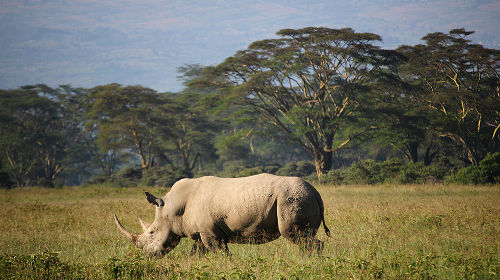
Singapore Airlines is a signatory to the United for Wildlife Transport Taskforce’s Buckingham Palace Declaration. The Declaration outlines 11 key commitments to disrupt illegal wildlife trade through efforts such as resource sharing, training, and technological improvements. We conduct regular staff training and public education to raise awareness for everyone to play a part in fighting this illicit trade.